 10 Mar, 2026
5996Views
10 Mar, 2026
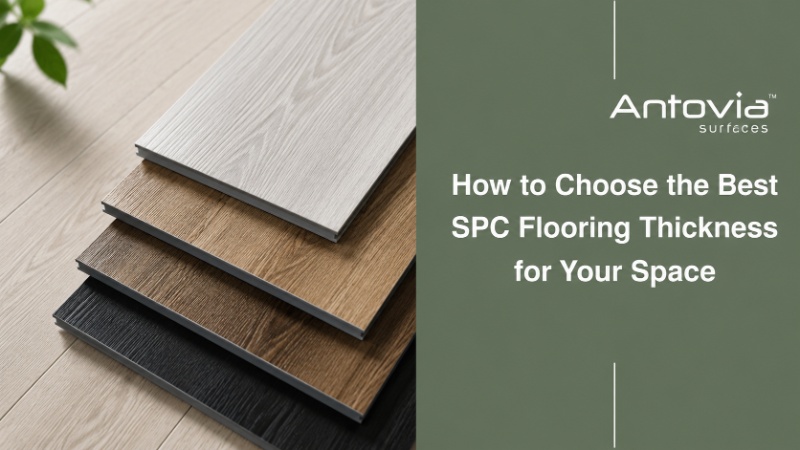
5996Views When choosing modern flooring solutions, many homeowners, architects, and designers consider durability, comfort, and long-term performance. Among the various flooring options available today, SPC flooring has become increasingly popular because of its rigid core structure, waterproof properties, and stylish designs. However, one important factor that often influences flooring performance is SPC flooring thickness.
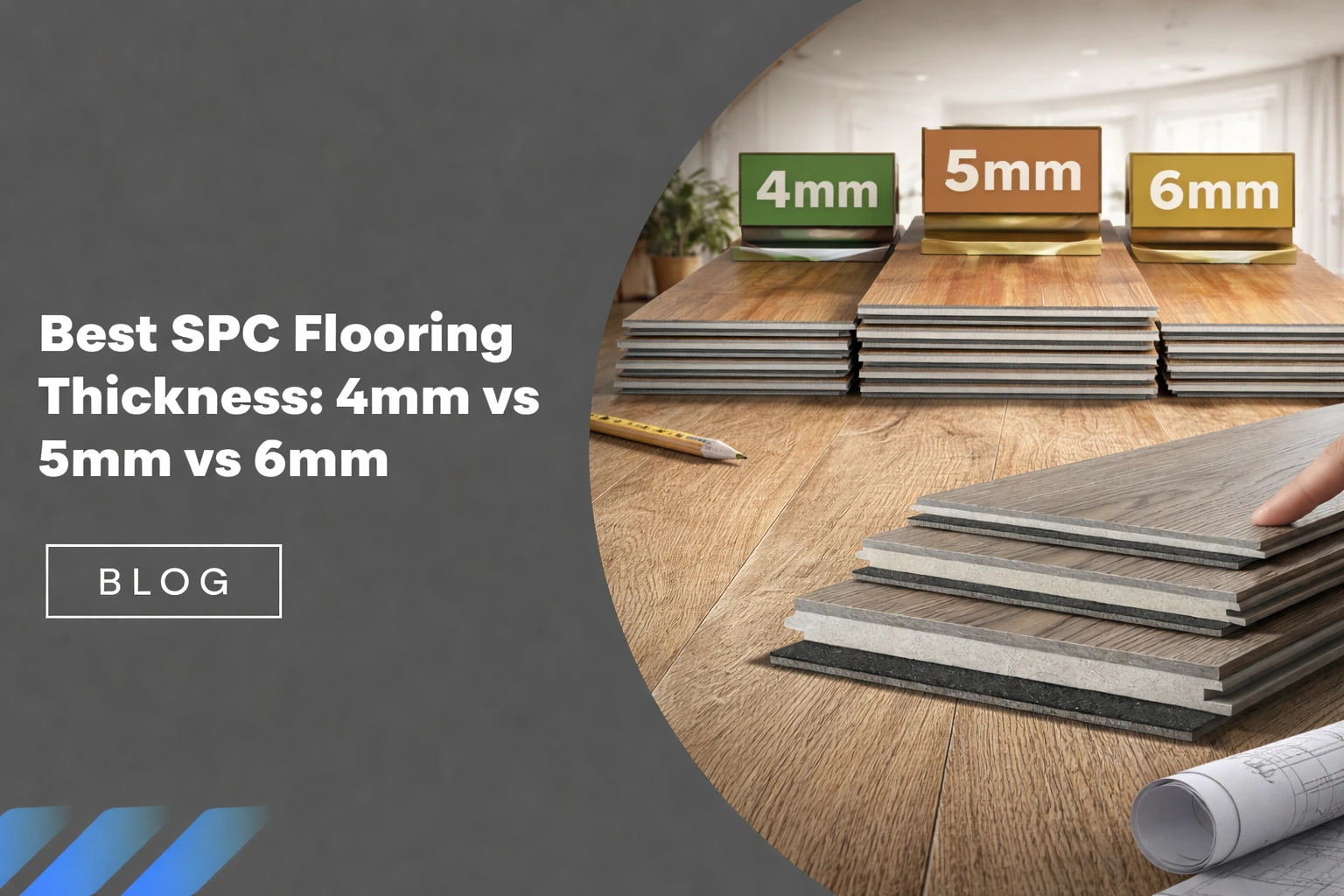
SPC flooring is available in several thickness options, commonly including 4mm, 5mm, and 6mm SPC flooring. Each thickness level offers different advantages in terms of durability, stability, comfort underfoot, and suitability for specific environments. Understanding these differences helps homeowners and professionals select the most appropriate flooring option for their projects.
The thickness of SPC flooring affects not only the strength of the planks but also the overall comfort, sound insulation, and long-term performance of the flooring. Whether you are installing flooring in a residential space, office, retail store, or hospitality environment, choosing the best SPC flooring thickness is essential for achieving reliable results.
This guide explains the differences between 4mm vs 5mm vs 6mm SPC flooring, helping you understand which thickness works best for different applications.
What Is SPC Flooring Thickness?
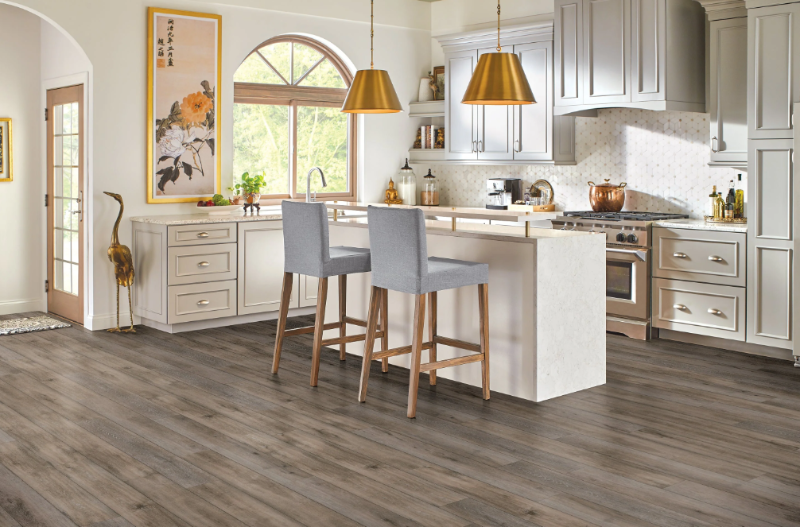
SPC flooring thickness refers to the total thickness of the flooring plank, including the rigid core layer and protective wear layer. Common SPC flooring thickness options include 4mm, 5mm, and 6mm. Each thickness provides different levels of durability, stability, and comfort depending on where the flooring is installed.
SPC flooring, also known as Stone Plastic Composite flooring, features a rigid core made from limestone powder and PVC. This core structure gives the flooring excellent strength and dimensional stability.
The overall SPC plank thickness plays a significant role in how the flooring performs under heavy foot traffic, furniture load, and everyday use. Thicker planks typically provide better stability, improved sound insulation, and enhanced durability.
Why SPC Flooring Thickness Matters
Selecting the correct SPC flooring thickness is important because it directly affects several aspects of flooring performance.
Durability and Strength
Thicker SPC flooring planks generally provide greater resistance to dents and impact. This is especially beneficial in high-traffic areas where flooring is exposed to frequent use.
Comfort Underfoot
A thicker plank structure offers better comfort when walking on the floor. This can make a noticeable difference in spaces where people stand or walk for long periods.
Sound Insulation
Thicker SPC flooring often provides better sound absorption, reducing noise caused by footsteps or movement. This feature is particularly useful in apartments, offices, and multi-story buildings.
Stability Over Subfloors
The thickness of SPC flooring helps improve stability when installed over slightly uneven surfaces. A thicker plank is less likely to flex or shift over time.
For these reasons, understanding SPC flooring durability and thickness options is essential before selecting flooring for any project.
Common SPC Flooring Thickness Options
Modern SPC flooring products are typically available in three common thickness options:
- 4mm SPC flooring
- 5mm SPC flooring
- 6mm SPC flooring
Each thickness level is designed for specific applications and usage conditions. While thinner planks may work well in residential environments, thicker options often perform better in commercial spaces with heavy foot traffic.
4mm SPC Flooring
Features of 4mm SPC Flooring
4mm SPC flooring is one of the most common thickness options used in residential interiors. It provides a lightweight and cost-effective flooring solution while still offering the benefits of rigid core technology.
Advantages of 4mm SPC Flooring
- More affordable compared to thicker flooring options
- Easy to handle and install
- Suitable for moderate residential use
- Provides waterproof protection
Limitations
Although 4mm SPC flooring performs well in many homes, it may not provide the same level of comfort or durability as thicker options in high-traffic environments.
This thickness is best suited for spaces such as bedrooms, living rooms, and apartments where heavy traffic is less common.
5mm SPC Flooring
Features of 5mm SPC Flooring
5mm SPC flooring is often considered a balanced option that combines durability with affordability. It provides improved strength compared to 4mm flooring while maintaining a comfortable walking surface.
Advantages of 5mm SPC Flooring
- Better durability and stability
- Improved sound insulation
- Suitable for both residential and light commercial spaces
- Balanced cost and performance
Limitations
While 5mm SPC flooring performs well in many environments, extremely heavy commercial spaces may require thicker options.
Because of its balanced characteristics, 5mm SPC flooring is commonly used in homes, offices, and retail environments.
6mm SPC Flooring
Features of 6mm SPC Flooring
6mm SPC flooring is designed for environments where durability and stability are essential. The thicker plank structure provides improved resistance to impact, making it suitable for high-traffic spaces.
Advantages of 6mm SPC Flooring
- Maximum durability and strength
- Better sound absorption
- Higher stability under heavy furniture
- Suitable for commercial environments
Limitations
The main drawback of 6mm SPC flooring is its slightly higher cost compared to thinner options.
However, in environments where durability is critical, the additional thickness often provides long-term value.
4mm vs 5mm vs 6mm SPC Flooring Comparison
The table below highlights the main differences between these common SPC flooring thickness options.
| Feature | 4mm SPC Flooring | 5mm SPC Flooring | 6mm SPC Flooring |
| Durability | Moderate | Good | Very High |
| Comfort | Basic | Improved | Excellent |
| Cost | Lower | Moderate | Higher |
| Stability | Good | Better | Best |
| Best Use | Residential homes | Homes & offices | Commercial spaces |
This comparison helps homeowners and professionals evaluate 4mm vs 5mm vs 6mm SPC flooring and choose the most suitable option based on their needs.
Wear Layer vs SPC Flooring Thickness
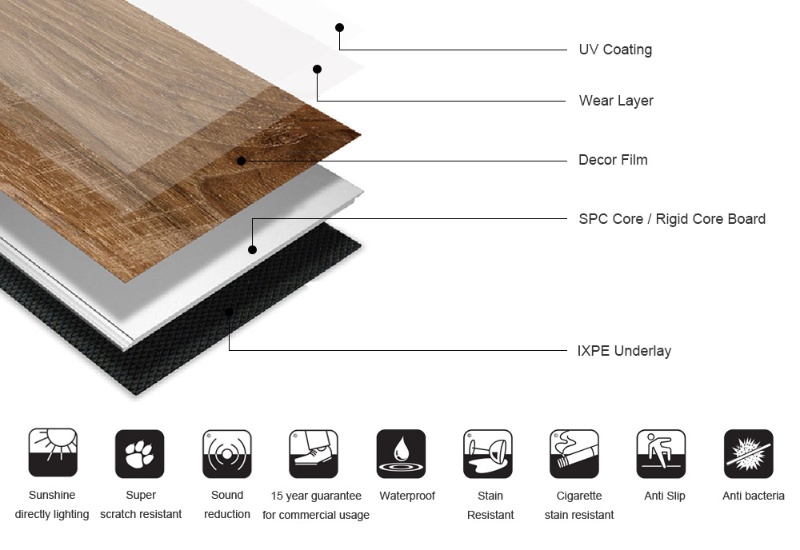
Many people confuse SPC flooring thickness with wear layer thickness, but these two factors serve different purposes.
The overall plank thickness refers to the total thickness of the flooring board. This affects comfort, stability, and structural strength.
The wear layer thickness, on the other hand, is the transparent protective layer on the surface of the flooring. This layer protects the design from scratches, stains, and everyday wear.
For long-lasting flooring performance, both plank thickness and wear layer thickness should be considered when selecting SPC flooring.
Best SPC Flooring Thickness for Different Applications
Choosing the best SPC flooring thickness often depends on the type of environment where the flooring will be installed.
Residential Homes
For most homes, 4mm or 5mm SPC flooring is sufficient. These thickness options provide good durability while remaining cost-effective.
Offices and Retail Spaces
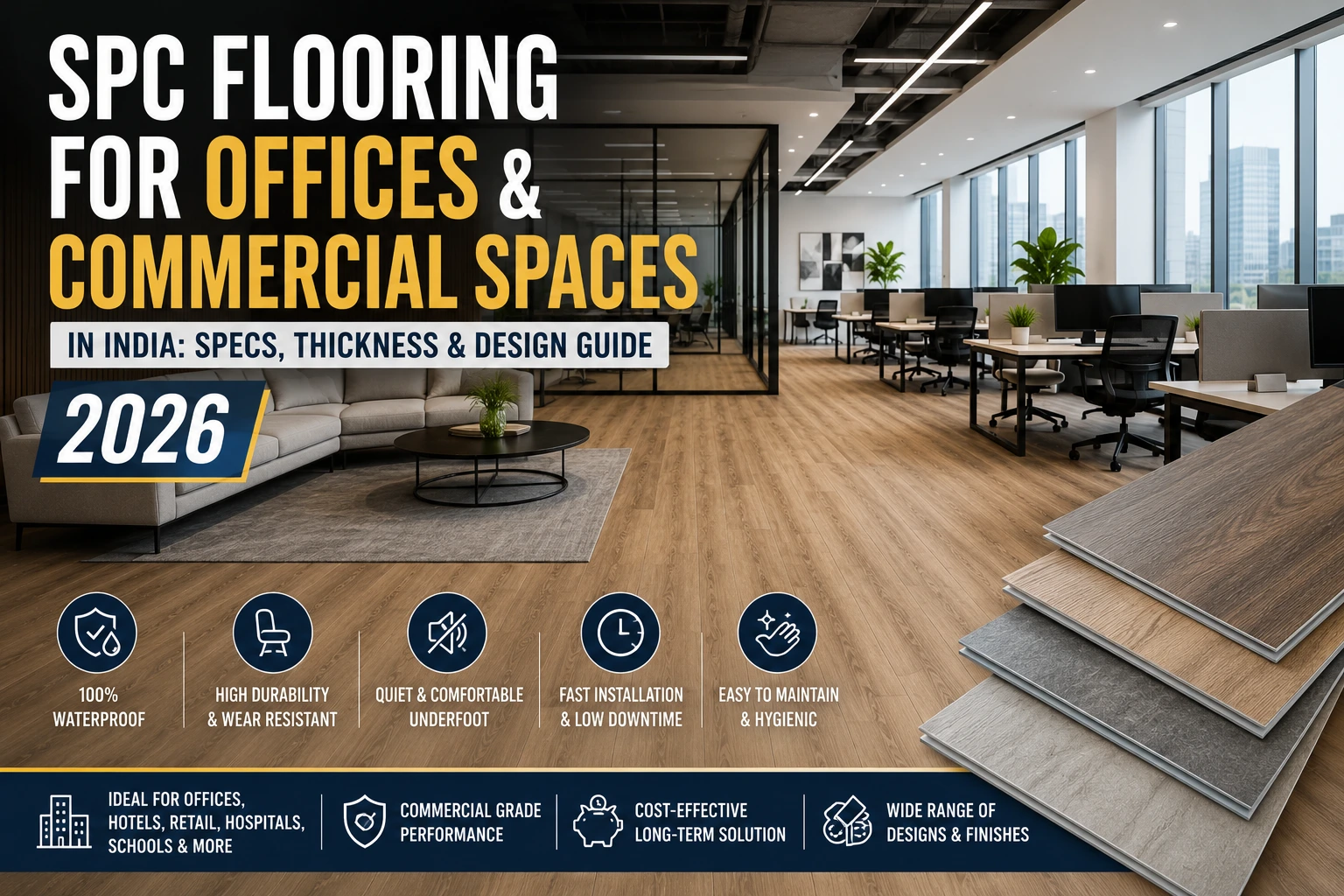
In office environments and retail stores, 5mm SPC flooring is often recommended because it provides better stability under moderate foot traffic.
High-Traffic Commercial Areas
For hotels, shopping centers, and commercial buildings, 6mm SPC flooring is usually the best option. Its thicker structure provides enhanced durability and resistance to heavy use.
Understanding SPC flooring thickness for high traffic areas helps ensure the flooring remains stable and durable over time.
Tips for Choosing the Right SPC Flooring Thickness
When selecting SPC flooring, it is important to consider several factors.
Consider Traffic Levels
Areas with heavy foot traffic may require thicker flooring for better durability.
Evaluate Subfloor Condition
If the subfloor surface is slightly uneven, thicker SPC flooring can provide improved stability.
Check Wear Layer Thickness
In addition to plank thickness, the wear layer should also be strong enough to protect the flooring surface.
Choose Quality Manufacturers
Selecting flooring from reliable manufacturers ensures consistent quality and long-term performance.
Antovia Surfaces: A Trusted Name in Modern Surface Solutions
In the evolving flooring industry, reliability, product quality, and innovation are key factors when selecting a flooring brand. Antovia Surfaces has established itself as a trusted name in modern surface solutions by focusing on high-quality materials, contemporary designs, and durable flooring products that meet the demands of modern construction.
With a strong understanding of global interior design trends, Antovia Surfaces develops flooring solutions that combine performance, durability, and aesthetics. The brand focuses on providing advanced flooring options such as SPC flooring and modern surface materials designed for residential, commercial, and hospitality environments.
One of the key strengths of Antovia Surfaces is its commitment to quality manufacturing standards and product consistency. Every flooring solution is designed to offer stability, water resistance, and long-term durability, making it suitable for spaces that experience heavy foot traffic.
By combining innovation, quality control, and design expertise, Antovia Surfaces continues to provide reliable flooring solutions for modern architectural and interior design projects.
Conclusion
Selecting the best SPC flooring thickness is an important step in ensuring long-lasting flooring performance. While 4mm SPC flooring works well for residential spaces with moderate traffic, 5mm SPC flooring provides a balanced combination of durability and comfort. For commercial spaces or high-traffic environments, 6mm SPC flooring offers the highest level of strength and stability.
Understanding the differences between 4mm vs 5mm vs 6mm SPC flooring allows homeowners, architects, and designers to make informed decisions based on durability requirements, installation environment, and budget considerations.
With its waterproof properties, modern designs, and reliable performance, SPC flooring continues to be one of the most preferred flooring solutions for contemporary interiors.
Frequently Asked Questions
1) What thickness SPC flooring is best?
For most residential spaces, 5mm SPC flooring provides a good balance between durability and cost. For commercial areas, thicker options such as 6mmSPC flooring may be more suitable.
2) Is 4mm SPC flooring good for homes?
Yes, 4mm SPC flooring works well in residential environments where foot traffic is moderate.
3) Is thicker SPC flooring better?
Thicker SPC flooring generally offers better durability, comfort, and stability, especially in high-traffic areas.
4) What is the difference between SPC thickness and wear layer?
SPC thickness refers to the overall plank thickness, while the wear layer is the protective surface layer that prevents scratches and damage.