 09 Mar, 2026
4448Views
09 Mar, 2026
4448Views Flooring plays a major role in the durability, comfort, and visual appeal of any interior space. Whether it is a residential home, office, retail store, or hospitality environment, choosing the right flooring material is essential for long-term performance and aesthetics. In recent years, SPC flooring has emerged as one of the most popular flooring solutions for modern interiors due to its strength, stability, and stylish appearance.
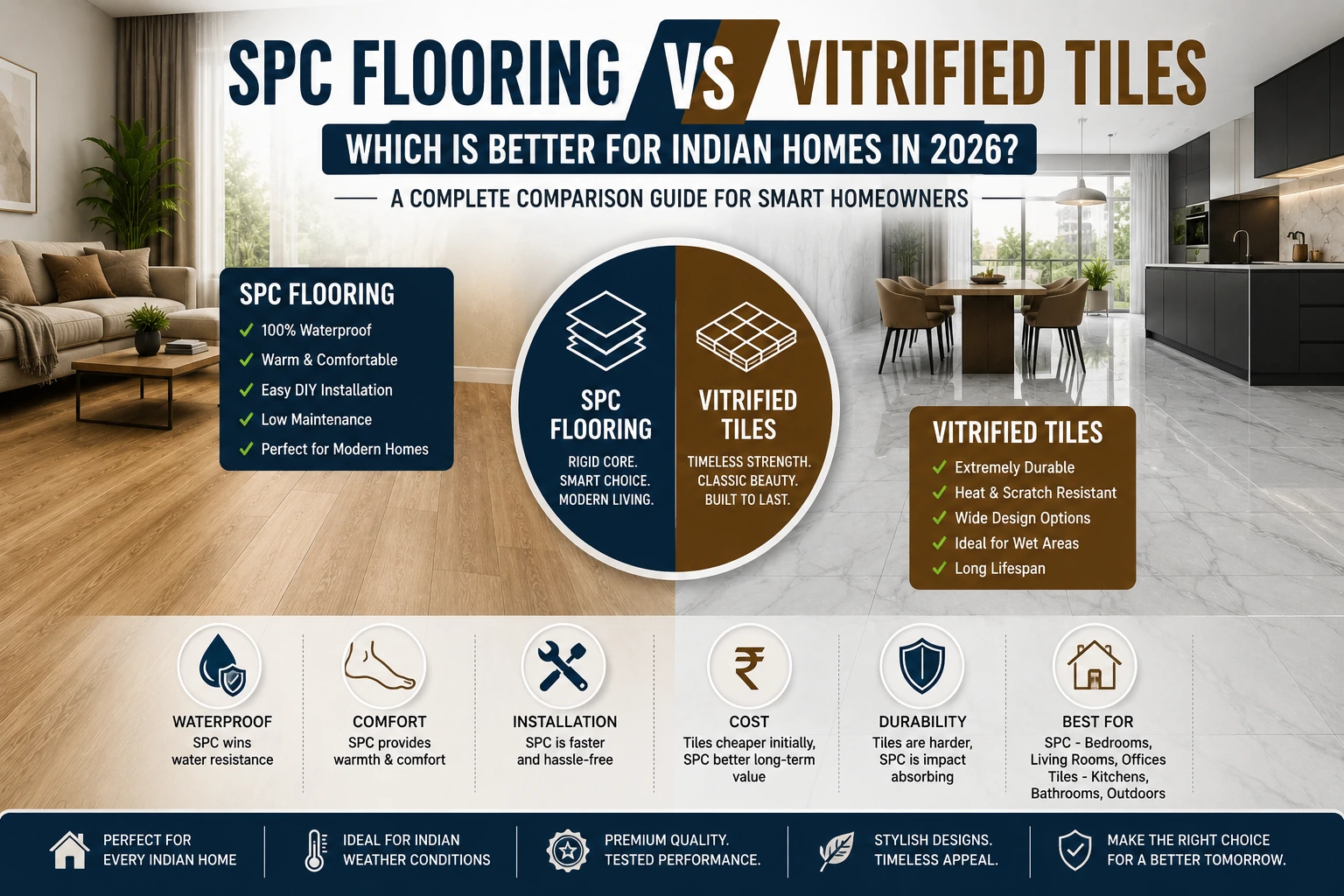
SPC flooring is widely known for its rigid core structure and exceptional resistance to moisture and wear. Because of these features, SPC vinyl flooring is becoming a preferred alternative to traditional flooring materials such as laminate, wood, and ceramic tiles. Architects, interior designers, and homeowners appreciate this flooring option because it combines durability with modern design flexibility.
Another reason for the growing popularity of rigid core SPC flooring is its easy installation and low maintenance requirements. Unlike some traditional flooring materials that require extensive preparation and upkeep, SPC flooring provides a convenient and cost-effective solution. As a result, it is increasingly used in both residential and commercial environments where durability and design are equally important.
What Is SPC Flooring?

SPC flooring (Stone Plastic Composite flooring) is a type of rigid core vinyl flooring made from limestone powder, PVC, and stabilizers. It is known for its durability, waterproof properties, and strong core structure. SPC flooring is widely used in residential and commercial spaces because it offers easy installation, low maintenance, and realistic wood or stone designs.
In simple terms, SPC vinyl flooring is an advanced version of traditional vinyl flooring with a stronger core layer. The rigid core technology helps the flooring maintain stability even under heavy foot traffic or varying temperature conditions.
Because of its stone-based core composition, SPC flooring is extremely resistant to expansion, contraction, and impact. This makes it a reliable flooring option for areas where durability is essential. Many modern construction projects now prefer SPC flooring because it combines practicality with attractive design options.
Another key advantage of waterproof SPC flooring is that it performs well in moisture-prone areas such as kitchens, bathrooms, and basements. Unlike wooden flooring, which may warp when exposed to water, SPC flooring remains stable and durable.
Structure and Layers of SPC Flooring
One of the main reasons why SPC flooring is highly durable is its multi-layer structure. Each layer plays an important role in protecting the flooring, improving its appearance, and enhancing its overall performance.
Main Layers of SPC Flooring
1) UV Coating Layer – The topmost layer that protects the surface from scratches, stains, and fading caused by sunlight.
2) Wear Layer – A transparent protective layer designed to resist daily wear and tear. This layer significantly improves the durability of SPC flooring.
3) Decorative Film Layer – This layer contains the visual design of the flooring. It can replicate the look of natural wood, marble, stone, or other decorative patterns.
4) SPC Core Layer – The rigid core made from limestone powder and PVC. This layer provides strength, stability, and resistance to dents.
5) Underlayment Layer – Usually made from IXPE or EVA foam, this layer provides sound insulation and enhances walking comfort.
This layered construction makes rigid core SPC flooring extremely strong and suitable for a wide range of environments. The combination of durability and design flexibility is one of the main reasons for the increasing demand for SPC flooring worldwide.
Key Benefits of SPC Flooring

SPC flooring offers several advantages compared to many traditional flooring materials. These benefits make it an ideal choice for modern residential and commercial spaces.
1. 100% Waterproof Flooring
One of the most important benefits of waterproof SPC flooring is its ability to resist moisture. This feature makes it perfect for areas where spills or humidity are common, such as kitchens, bathrooms, and laundry rooms.
2. High Durability
The rigid core structure of SPC vinyl flooring makes it highly resistant to dents, scratches, and heavy foot traffic. This durability ensures that the flooring maintains its appearance for many years.
3. Easy Installation
Most SPC flooring systems use a click-lock installation method. This system allows the planks to snap together easily without adhesives, making the installation process faster and more efficient.
4. Low Maintenance
SPC flooring is easy to maintain. Regular sweeping and occasional mopping are usually enough to keep the flooring clean and attractive.
5. Stylish Design Options
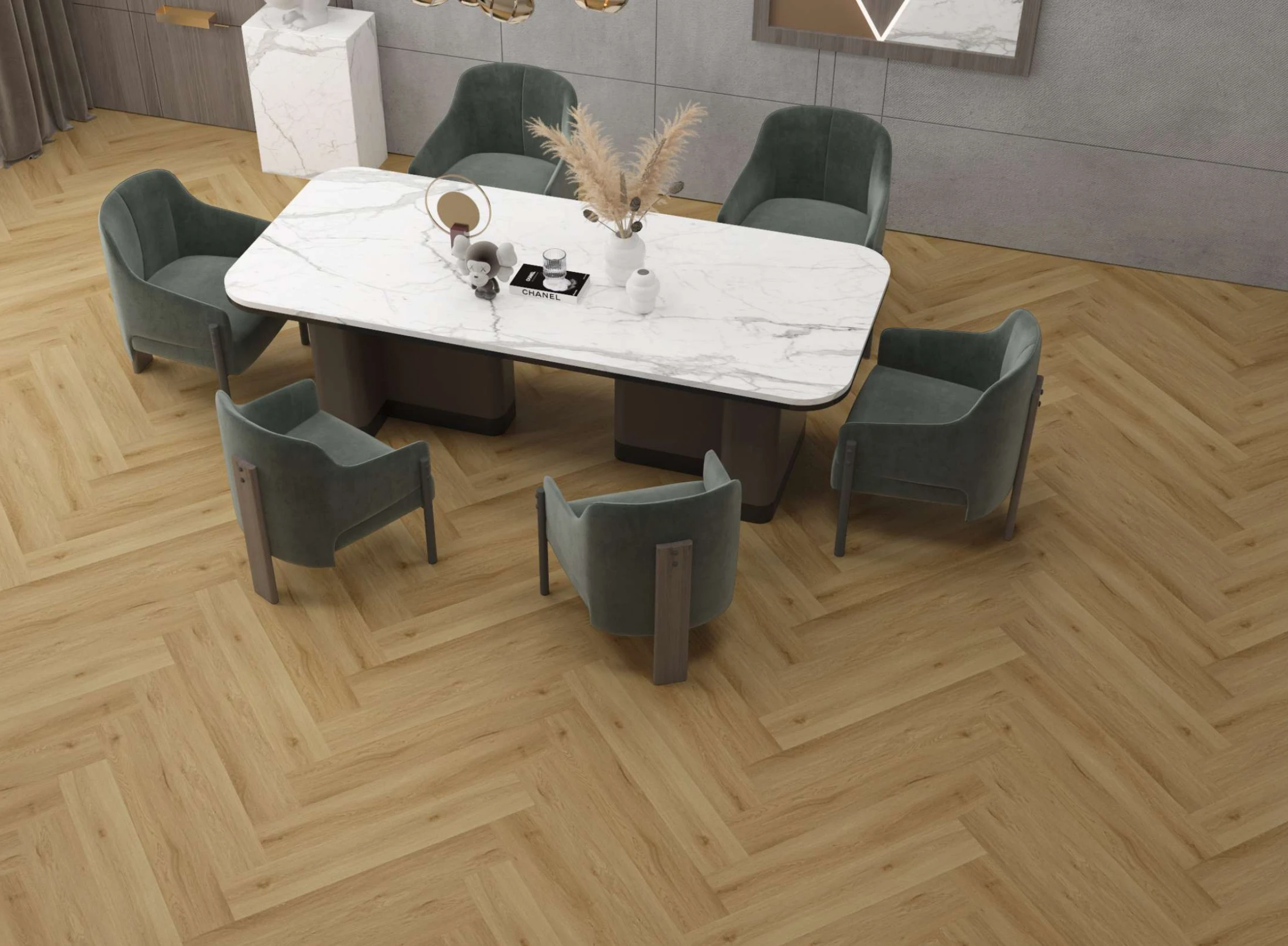
Modern SPC flooring designs are available in a wide variety of textures and patterns, including wood, stone, and marble finishes. These designs allow homeowners and designers to create elegant interiors without using expensive natural materials.
6. Comfortable and Quiet
Many SPC flooring products include an underlayment layer that helps reduce noise and improves walking comfort. This feature is especially useful in apartments, offices, and commercial spaces.
Applications of SPC Flooring
Thanks to its strength and waterproof properties, SPC flooring can be used in many different environments.
Residential Spaces
SPC flooring is commonly installed in living rooms, bedrooms, kitchens, and hallways. Its stylish appearance and durability make it ideal for modern homes.
Commercial Spaces
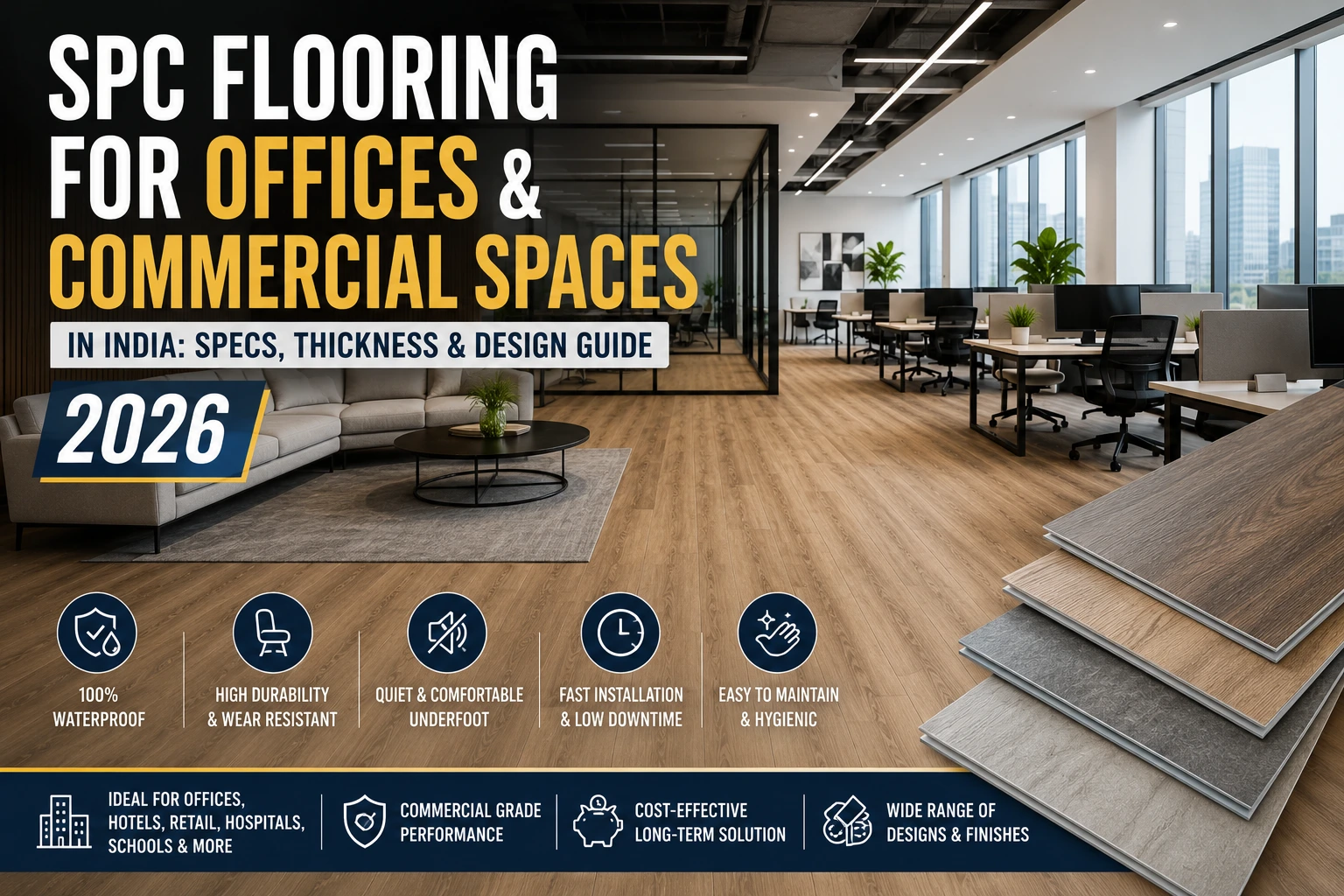
Many offices, showrooms, and retail stores use rigid core SPC flooring because it can handle heavy foot traffic while maintaining its appearance.
Hospitality and Retail
Hotels, restaurants, cafes, and shopping centers often choose SPC flooring due to its durability, easy maintenance, and design flexibility.
Educational and Healthcare Facilities
Schools, clinics, and hospitals also use SPC flooring because it is hygienic, easy to clean, and resistant to damage.
SPC Flooring Installation Process

Another major advantage of SPC flooring is its quick and simple installation process.
Step 1: Surface Preparation
The subfloor must be clean, dry, and level before installing the flooring.
Step 2: Underlayment Placement
Some SPC flooring planks come with pre-attached underlayment. If not, a separate underlayment layer can be installed to improve comfort and sound insulation.
Step 3: Click-Lock Installation
The planks are connected using a click-lock system, allowing them to snap together securely without glue.
Step 4: Finishing Touches
After installation, finishing profiles and trims are added to edges and corners to complete the flooring.
Because of this simple installation process, SPC flooring installation is often faster and more cost-effective than traditional flooring methods.
SPC Flooring vs Traditional Vinyl Flooring
Although both SPC flooring and traditional vinyl flooring belong to the vinyl category, they differ in several ways.
| Feature | SPC Flooring | Traditional Vinyl |
| Core Structure | Rigid | Flexible |
| Durability | High | Moderate |
| Stability | Excellent | Moderate |
| Waterproof | Yes | Yes |
| Installation | Click-lock | Glue-down or click |
Because of its rigid core composition, SPC flooring offers greater stability and resistance to damage compared to traditional vinyl flooring.
SPC Flooring Maintenance Tips
Maintaining SPC vinyl flooring is simple and requires minimal effort.
- Sweep or vacuum regularly to remove dust and debris.
- Use a damp mop for deeper cleaning.
- Avoid harsh chemicals that could damage the protective wear layer.
- Use furniture pads to prevent scratches from heavy furniture.
Proper maintenance helps extend the lifespan of SPC flooring, allowing it to retain its beauty and durability for many years.
Why SPC Flooring Is Popular in Modern Interiors
Modern architecture and interior design emphasize durability, practicality, and visual appeal. SPC flooring perfectly meets these requirements, making it a popular choice for contemporary interiors.
The growing demand for waterproof and low-maintenance flooring solutions has further increased the popularity of SPC flooring. It offers the aesthetic appeal of natural materials while providing superior durability and convenience.
As construction trends continue to evolve, rigid core SPC flooring is expected to remain a leading flooring option for residential and commercial projects.
Antovia Surfaces: A Trusted Name in Modern Surface Solutions
In the evolving flooring industry, reliability, product quality, and innovation are key factors when selecting a flooring brand. Antovia Surfaces has established itself as a trusted name in modern surface solutions by focusing on high-quality materials, contemporary designs, and durable flooring products that meet the demands of modern construction.
With a strong understanding of global interior design trends, Antovia Surfaces develops flooring solutions that combine performance, durability, and aesthetics. The brand focuses on providing advanced flooring options such as SPC flooring and modern surface materials designed for residential, commercial, and hospitality environments.
One of the key strengths of Antovia Surfaces is its commitment to quality manufacturing standards and product consistency. Every flooring solution is designed to offer stability, water resistance, and long-term durability, making it suitable for spaces that experience heavy foot traffic. This focus on quality ensures that customers receive flooring products that maintain their performance and visual appeal for years.
In addition to product quality, Antovia Surfaces also emphasizes modern design versatility. Its flooring collections feature a wide range of textures and patterns, including natural wood finishes, stone-inspired designs, and contemporary surfaces. These options allow architects, interior designers, and homeowners to create stylish interiors while benefiting from the durability of advanced flooring materials.
By combining innovation, quality control, and design expertise, Antovia Surfaces continues to provide reliable flooring solutions that meet the evolving needs of modern architecture and interior design.
Conclusion
SPC flooring has quickly become one of the most reliable and versatile flooring solutions available today. Its rigid core structure, waterproof performance, durability, and stylish design options make it suitable for a wide range of residential and commercial applications.
Whether you are designing a new home or renovating a commercial space, SPC vinyl flooring offers a practical combination of strength, beauty, and convenience. With easy installation, low maintenance requirements, and long-lasting performance, SPC flooring continues to gain popularity as a modern flooring solution for contemporary interiors.
Frequently Asked Questions
1) What does SPC stand for in flooring?
SPC stands for Stone Plastic Composite, a rigid core flooring material made from limestone powder, PVC, and stabilizers.
2) Is SPC flooring better than laminate flooring?
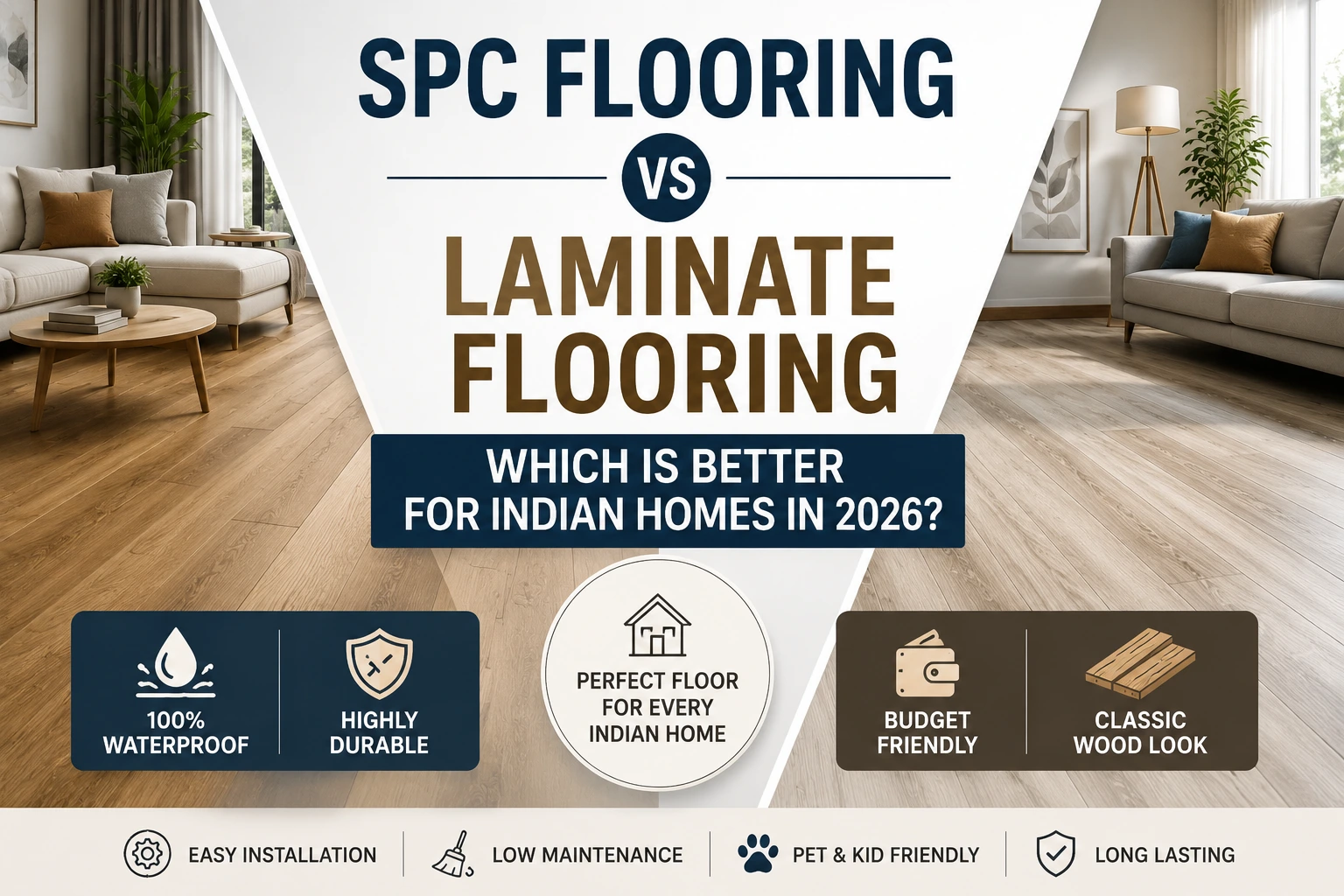
SPC flooring is generally more durable and waterproof than laminate flooring, making it more suitable for areas exposed to moisture.
3) How long does SPC flooring last?
High-quality SPC flooring can last 15–25 years depending on the wear layer thickness and maintenance.
4) Is SPC flooring suitable for commercial spaces?
Yes, SPC flooring is widely used in offices, hotels, and retail spaces because it is resistant to heavy foot traffic.
5) Can SPC flooring be installed over tiles?
Yes, SPC flooring can often be installed over existing tiles if the surface is properly prepared and level.